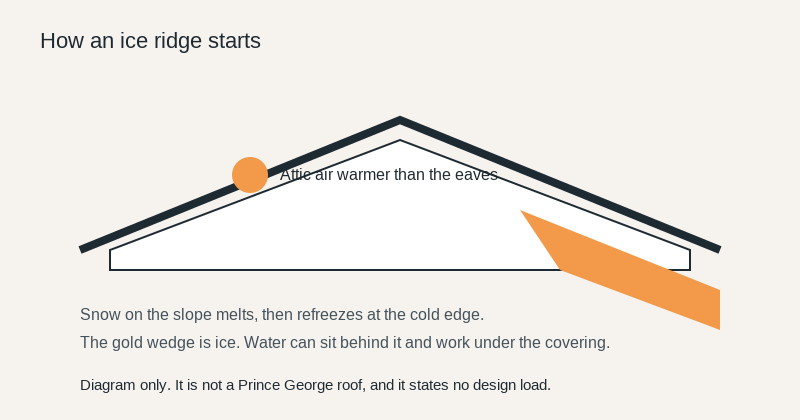
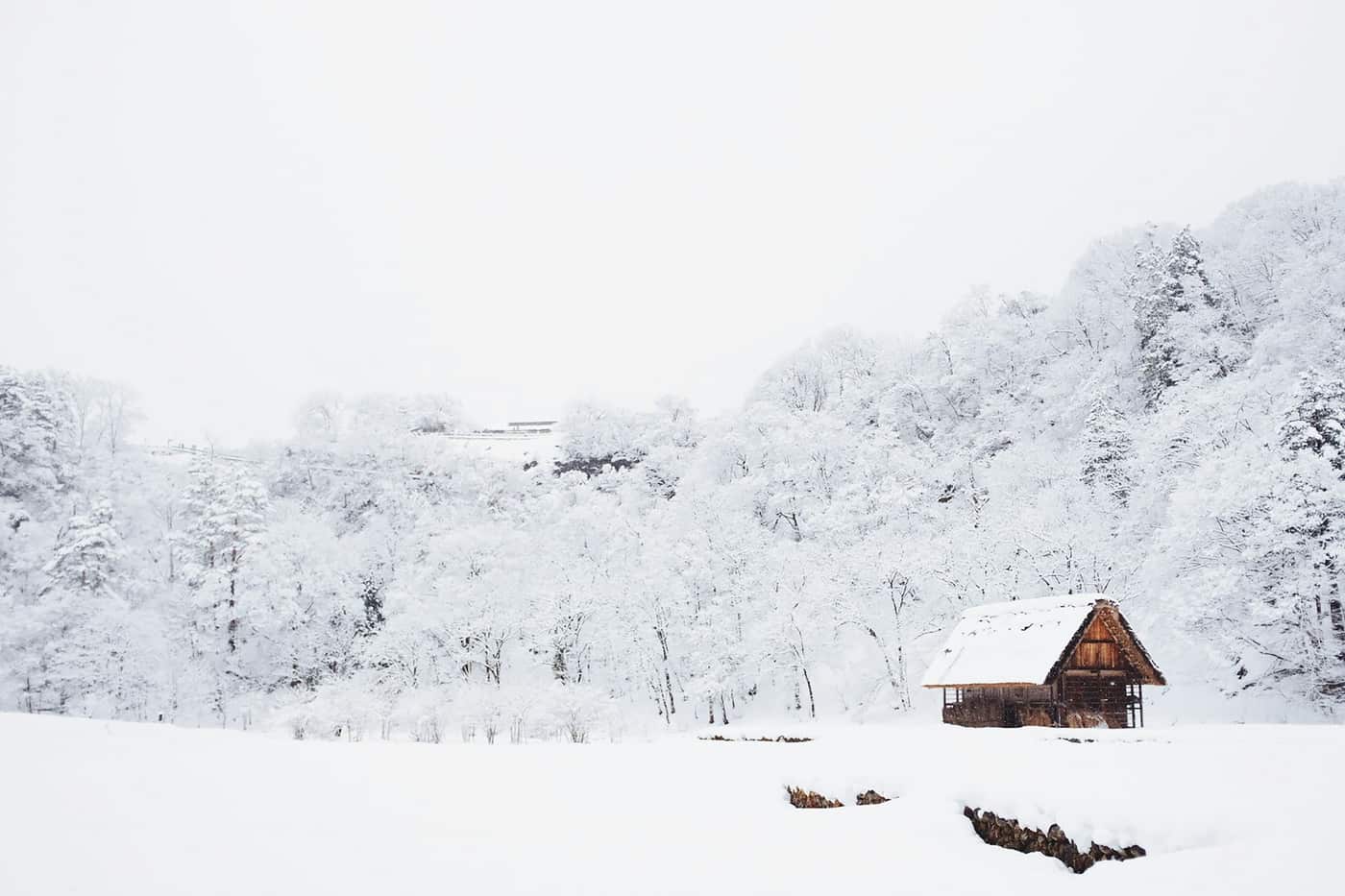
The local angle is winter itself. Roofs here carry snow, then meet a thaw, then freeze again. Water that melted on a warmer part of the slope can freeze at a cold eave and sit against the covering. That is the ice-ridge mechanism. It is not a measurement of your house.
Ask the City which snow-load figure applies to the address. Secondary sources do not agree, and the City building-bylaw PDF was not in hand when this copy was written. The official places to recheck are the commonly requested bylaw list, the complete bylaw listing, and the BC Building Code, Division B, Appendix C, Table C-2, read from the code itself. Until you or your roofer has done that, treat any number you heard elsewhere as unchecked.
What you can ask a roofer without a number: how they think about ventilation, what they do at the first metre of the eave, and whether bath fans are dumping moist air into the attic. Those questions apply to a repair, a replacement, or a metal covering. They are not a product endorsement.
Access is the other winter fact. Hart Highlands is described by the City neighbourhood page as about 20 minutes from downtown, with its own weather and a small ski hill. Hill streets and acreages add drives that ice up. A referral cannot override a contractor who says the roof is not safe to walk today.
Winter questions that do not need a fake number
- Does the attic have a path for air, or is the eave packed solid.
- Do fans vent outdoors.
- Is today's visit safe, or should it wait for a thaw.